PCOD vs PCOS: Key Differences, Symptoms, Treatment
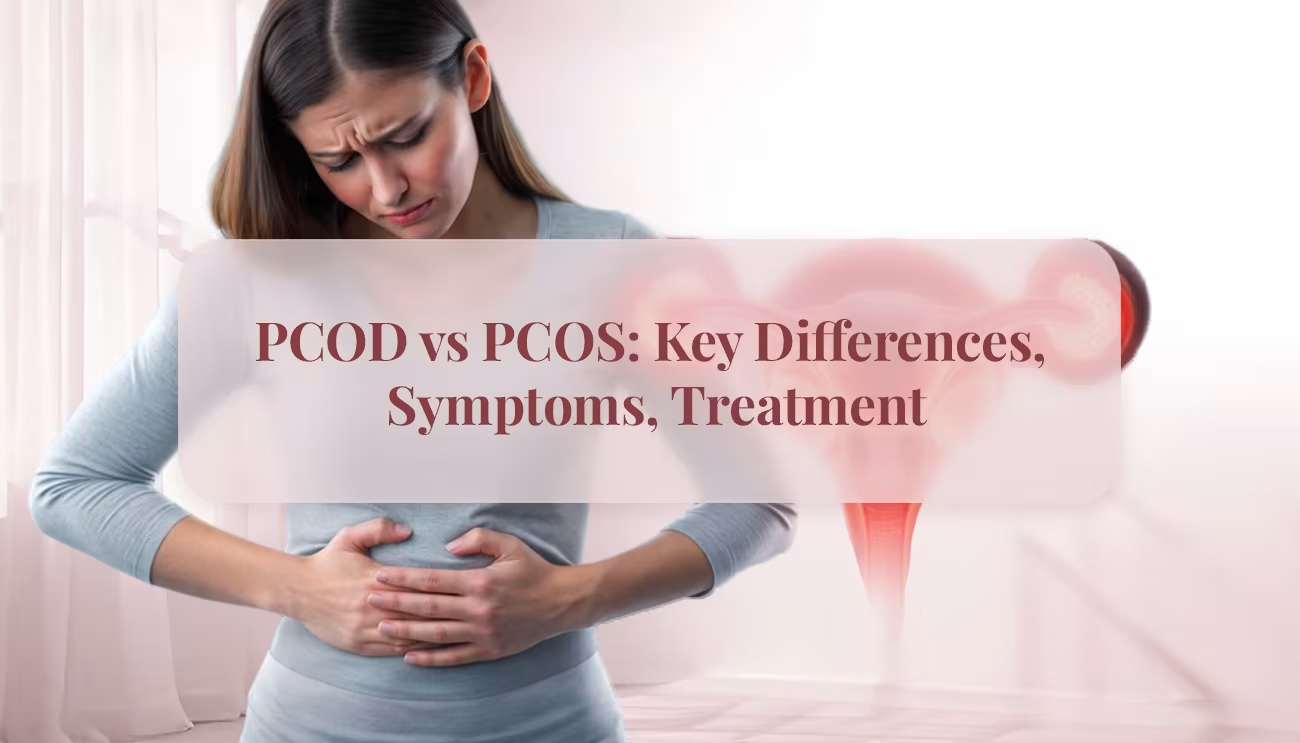
Hormonal imbalance is becoming increasingly common among women in India due to stress, sedentary lifestyle, processed food, and insulin resistance. While both PCOD (Polycystic Ovarian Disease) and PCOS (Polycystic Ovary Syndrome) affect the ovaries, they are not exactly the same — and understanding the difference is extremely important for choosing the right treatment.
Along with lifestyle management, Ayurvedic support like VCA Shatavari Tablets can play a powerful role in balancing female hormones naturally and improving reproductive health.
What is PCOD?
PCOD (Polycystic Ovary Disorder) is a condition where the ovaries release immature or partially mature eggs which later accumulate as cysts. These cysts can interfere with normal ovulation and cause hormonal imbalance.
Key Features of PCOD:
- Irregular menstrual cycles
- Enlarged ovaries with multiple small follicles
- Hormonal imbalance (especially estrogen and progesterone)
- Weight gain and difficulty losing weight
- Mild acne or extra facial hair
- Usually reversible with lifestyle changes
Women with PCOD often have regular periods occasionally, and symptoms might vary with age and lifestyle.
What is PCOS?
PCOS (Polycystic Ovary Syndrome) is a more severe endocrine disorder. It involves high levels of androgens (male hormones), insulin resistance, and chronic inflammation. PCOS may significantly affect fertility and long-term health.
Key Features of PCOS:
- Chronic anovulation (no ovulation)
- Significantly high androgen levels
- Insulin resistance leading to type 2 diabetes risk
- Severe acne, hirsutism (excessive hair growth)
- Thinning hair on the scalp
- Difficulty conceiving
- Greater risk of metabolic syndrome
PCOS is a clinical syndrome that often requires medical supervision and can impact multiple body systems.
PCOD vs PCOS – What Is the Difference?
Difference Between PCOS and PCOD
Although both conditions involve multiple cysts in the ovaries, the difference between PCOS and PCOD lies in severity and hormonal involvement.
PCOD (Polycystic Ovarian Disease)
- Ovaries release immature eggs.
- These eggs turn into cysts.
- Mild hormonal imbalance.
- Periods may be irregular but ovulation still occurs sometimes.
- Fertility is usually not severely affected.
- Can often be managed with lifestyle changes.
PCOS (Polycystic Ovary Syndrome)
- A metabolic and endocrine disorder.
- High androgen (male hormone) levels.
- Chronic lack of ovulation.
- Insulin resistance is common.
- Higher risk of infertility, diabetes, and heart disease.
- Requires long-term medical and lifestyle management.
PCOD is a disorder of the ovaries, while PCOS is a hormonal and metabolic syndrome affecting the whole body.
Common Symptoms of PCOD and PCOS
- Irregular periods or no periods
- Infertility or difficulty conceiving
- Weight gain or obesity
- Acne breakouts and oily skin
- Excess facial or body hair (hirsutism)
- Thinning hair or hair loss
- Mood swings, anxiety & depression
- Fatigue or low energy level
- Darkened skin patches (acanthosis nigricans)
- Ovarian cysts detected on ultrasound
Symptoms often begin around puberty or gradually after weight gain.
Read More – How to Take Shatavari for Hormonal Balance and Low Fertility
Causes & Risk Factors – PCOD vs PCOS
Understanding causes helps with informed treatment.
1. Hormonal Imbalance
Both PCOD and PCOS involve disruptions in estrogen, progesterone, and androgen levels. However, PCOS features significantly higher androgen levels, leading to severe symptoms.
2. Insulin Resistance
Insulin resistance is a major driver of PCOS. When cells don’t respond to insulin properly, the pancreas produces more. This excess insulin can increase androgen production and disrupt ovulation.
3. Genetics & Family History
PCOD and PCOS often run in families. If your mother or sister has it, you may be at higher risk.
4. Lifestyle and Diet
Poor diet, high sugar intake, stress, and sedentary lifestyle contribute to hormonal imbalance, inflammation, and weight gain — all of which worsen PCOD/PCOS
How PCOD and PCOS Affect Fertility
Women with PCOD may ovulate irregularly but can still conceive naturally with lifestyle and diet changes. PCOS, with frequent anovulation and high androgen levels, often causes delayed fertility and may require medical intervention such as ovulation induction or IVF.
Diagnosis: How Doctors Differentiate PCOD vs PCOS
Medical Tests Include:
- Detailed medical and menstrual history
- Blood tests for hormone levels (LH, FSH, testosterone, insulin)
- Pelvic ultrasound (to detect ovarian cysts)
- Glucose tolerance test
- Thyroid and prolactin levels
A thorough evaluation ensures correct treatment planning because PCOS is a syndrome affecting multiple organs, while PCOD often remains confined to the ovaries.
How to Cure PCOD and PCOS Naturally with Ayurveda
Ayurveda views PCOD and PCOS as hormonal imbalance caused by aggravated Kapha and Vata dosha. Instead of suppressing symptoms, Ayurveda focuses on root-cause healing.
One of the most powerful Ayurvedic herbs for female reproductive health is Shatavari.
Shatavari is known as the “Queen of Herbs” for women. It helps in:
-
Regulating menstrual cycles
-
Supporting ovulation
-
Balancing estrogen levels
-
Reducing stress-induced hormonal imbalance
-
Improving fertility
If you are wondering how to cure PCOD naturally, incorporating VCA Shatavari Tablets into your daily routine can support hormonal stability.
Read more – Shatavari for Women’s Health: Ultimate Guide to Uses, Benefits, and Side Effects
Lifestyle Plan for PCOD vs PCOS Management
Whether you have PCOD or PCOS, follow this 5-step plan:
-
Start your day with warm water and herbal support.
-
Include fiber-rich foods.
-
Avoid refined sugar and processed food.
-
Practice yoga for hormonal balance.
-
Take Ayurvedic supplements consistently.
Consistency is the key to seeing visible improvements.
Final Thoughts:
When comparing PCOD vs PCOS, the key difference lies in severity and systemic involvement. PCOS is more complex and potentially more dangerous if ignored.
However, the good news is both conditions can be managed with:
-
Healthy lifestyle
-
Balanced diet
-
Stress management
-
Ayurvedic support
If you are searching for PCOD cure or home remedies for PCOS, remember that healing is gradual but possible.
Incorporating natural hormonal support like VCA Shatavari Tablets can be a safe and effective step towards restoring balance.
Your body is designed to heal — you just need to support it the right way.
Frequently Asked Questions
PCOS is generally more dangerous because it affects metabolism, insulin levels, and long-term health risks like diabetes and heart disease.
The difference between PCOS and PCOD lies in severity. PCOD mainly affects ovaries, while PCOS is a hormonal and metabolic syndrome affecting the entire body.
An ovarian cyst is a fluid-filled sac in the ovary. PCOS is a hormonal disorder that may include multiple cysts along with metabolic imbalance.
Yes, PCOS can increase the risk of infertility, diabetes, heart disease, and endometrial cancer if left untr
To cure PCOD naturally, focus on hormonal balance through nutrition, weight management, yoga, and Ayurvedic supplements like Shatavari.